

How AI Infrastructure Is Reshaping the Electronics Manufacturing Supply Chain in 2026
Artificial intelligence is no longer influencing only the software industry. In 2026, AI infrastructure investment is actively reshaping global semiconductor manufacturing, PCB production capacity, material availability, and long-term supply chain planning across the electronics manufacturing sector.
The rapid expansion of hyperscale data centers, advanced networking platforms, GPU computing, and AI server infrastructure continues driving demand for increasingly complex electronic hardware. As a result, many supply chain conditions that appeared to stabilize in 2024 and early 2025 are now tightening again across several advanced technology categories.

Semiconductor Demand Remains Structurally Strong
According to the Semiconductor Industry Association (SIA) reports, global semiconductor sales reached approximately $791.7 billion in 2025, with additional market growth projected in 2026. Much of this demand continues coming from AI infrastructure, cloud computing, automotive electronics, and advanced networking technologies.
Unlike previous market cycles driven primarily by consumer electronics, current demand is increasingly concentrated around high-performance computing platforms that require:
- Advanced GPU architectures
- High-density interconnect (HDI) PCBs
- High-speed substrates
- Advanced memory technologies
- Complex power management systems
This shift is changing how manufacturing capacity is allocated globally. PCB fabricators and semiconductor suppliers are prioritizing higher-margin, high-performance technologies tied to AI and hyperscale computing programs.

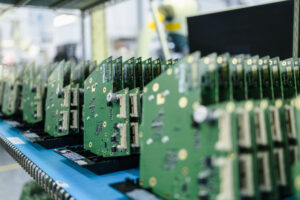

PCB Material Constraints Continue
While lead times have improved across some commodity component categories, advanced PCB technologies and raw materials remain under pressure.
Recent supply chain reports continue showing constraints across:
- PCB laminates
- Copper foil
- Specialty prepregs
- High-speed and low-loss materials
- Electronic-grade fiberglass
Standard FR4 laminate lead times have extended from approximately 2 to 4 weeks up to 5 to 8 weeks in some categories. High-performance prepreg materials used in AI, telecom, aerospace, and advanced networking applications are seeing significantly longer lead times.
Industry reports also indicate that cumulative laminate and prepreg pricing increases have exceeded 90% since early 2025 in certain market segments. Additional pricing pressure is expected through portions of Q2 2026.
These constraints are not affecting every technology equally. Commodity components have shown signs of stabilization, while advanced and AI-driven technologies continue experiencing elevated demand and tighter supply conditions.
Commodity Volatility Still Matters
Raw material markets continue playing an important role in electronics manufacturing costs and supply continuity.
Copper pricing increased approximately 43% since early 2025 according to recent market updates. Tin pricing also remains elevated due to ongoing global supply constraints and continued electronics demand. Precious metals including silver and gold continue impacting solder materials, PCB finishes, and advanced semiconductor manufacturing processes.
These commodity trends directly affect PCB manufacturing, material sourcing, and long-term procurement planning across the electronics industry.

Why OEMs Should Continue Planning Proactively
Even though some supply chain conditions have improved compared to previous years, the market is entering a new phase driven by structural AI demand rather than temporary shortages.
For OEMs, that means proactive planning remains critical.
Several strategies continue becoming increasingly important:
- Earlier demand forecasting
- Long-term material visibility
- Strategic inventory planning
- Alternate component evaluations
- Early engineering collaboration during design and NPI stages
Programs involving aerospace, defence, advanced networking, industrial automation, medical electronics, and AI-related technologies may continue seeing elevated pressure around specialized materials and fabrication capacity.
DSM Perspective
At Dynamic Source Manuafcturing, we continue closely monitoring semiconductor, PCB, and raw material market conditions to support long-term supply continuity across our customers’ manufacturing programs.
Through proactive forecasting, supplier collaboration, strategic sourcing initiatives, and dual-site manufacturing capabilities across Canada and the United States, DSM remains focused on helping customers navigate evolving supply chain conditions while supporting operational flexibility and manufacturing stability.
Reach out today: dsmsales@dynamicsourcemfg.com
Book a facility tour: Contact DSM